 Faucet
Preventing Catastrophic Exterior Water Damage & Freezes
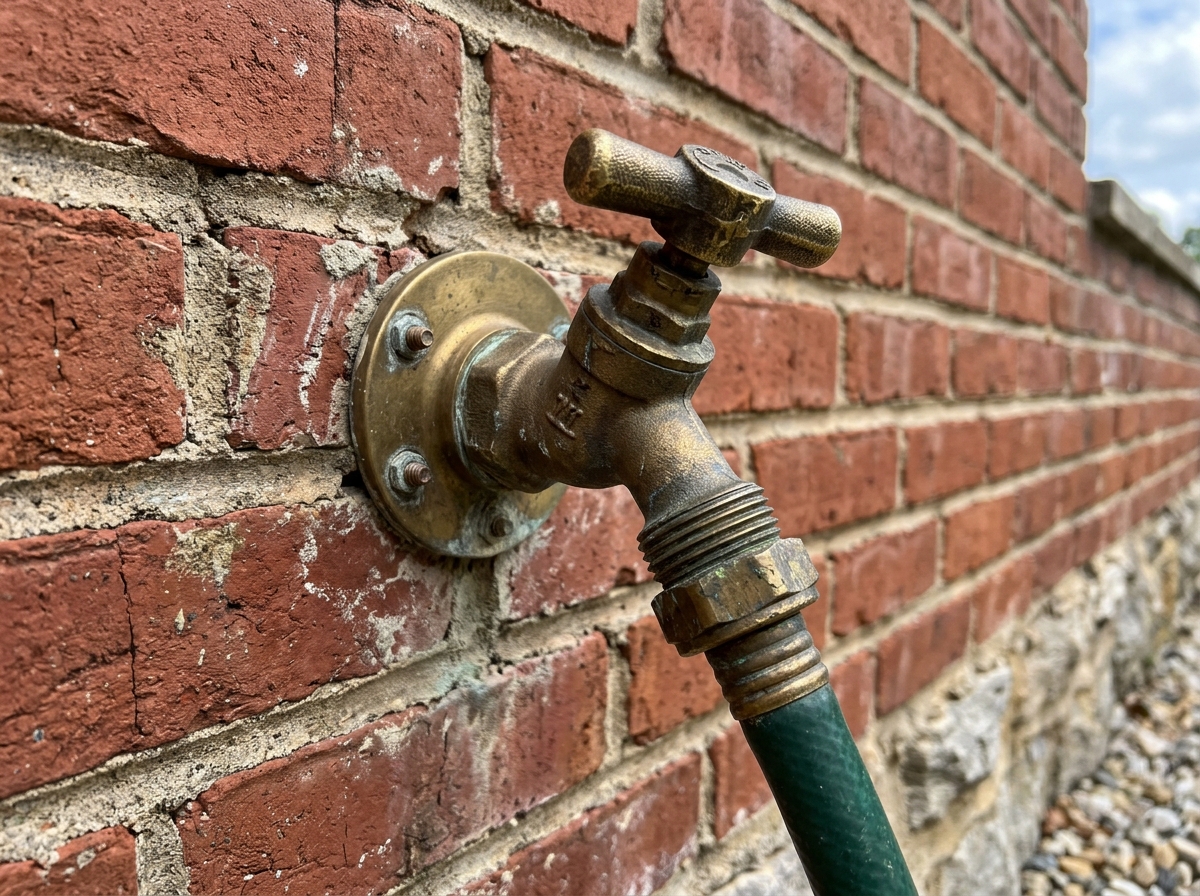
Exterior hose bibs, sillcocks, and hydrants endure harsh weather extremes - from scorching summer heat to sub-zero winter freezes. When an outdoor faucet leaks, water can seep along the exterior brick or siding, penetrating the foundation wall and flooding basements or crawl spaces.
Through Faucet Pros, you can connect immediately with local technicians who understand regional climate hazards. Whether you need a simple stem packing washer replaced on a standard brass spigot or need to replace a burst winter sillcock with a modern frost-free freeze-proof assembly, our network delivers lasting protection.
Key Outdoor Faucet Problems We Fix
- Leaking from the Spout with Hose Removed: Failed internal rubber bibb washer or scored brass seat preventing complete shut-off.
- Water Spraying from the Packing Nut: Degraded graphite or Teflon packing washer around the handle stem when the faucet is turned on.
- Water Gushing Inside the Basement When Exterior Spigot Is Turned On: The telltale symptom of a freeze-burst frost-proof sillcock that ruptured over winter.
- Defective Vacuum Breaker / Anti-Siphon Cap: Water spraying out the top of the spigot cap caused by degraded rubber diaphragms designed to prevent backflow.
- Stripped or Broken Faucet Handles: Corroded handle screws or stripped valve stems preventing operation of garden hoses or irrigation lines.
Outdoor Faucet Gushing Inside Your Basement?
Water entering your home when the garden hose is turned on indicates a burst in-wall frost-free stem. Shut off the exterior supply line and contact our emergency dispatch team immediately.
Call Dispatch: 866-920-1482Upgrading to Modern Frost-Proof Sillcocks
Standard outdoor spigots leave standing water directly within the exterior wall line, where freezing winter temperatures cause the copper pipe to split. Modern frost-proof sillcocks position the actual valve seat 8 to 14 inches deep inside the heated envelope of your home. When turned off, residual water drains out automatically, preventing burst pipes. Connect with our certified contractors to upgrade your exterior fixtures before the next winter freeze.
Outdoor Spigot & Sillcock Freeze Defense Guide
| Outdoor Valve Style | Freeze Protection Level | Vulnerability to Freezing | Recommended Application |
|---|---|---|---|
| Standard Brass Hose Bib | None (Valve seat exposed at wall face) | Extreme risk; copper tube splits at 28°F or below | Southern non-freeze zones only |
| Frost-Proof Sillcock (8-14") | High (Valve seat 8-14" inside heated envelope) | Zero risk — UNLESS garden hose remains attached | Northern & Central freeze climates |
| Anti-Siphon Vacuum Breaker | Backflow safety protection | Diaphragm tears from high summer UV exposure | Mandatory by modern plumbing codes |
| Commercial Yard Hydrant | Maximum (Buried valve seat below frost line) | Drains underground when shut off | Rural properties, stables, and gardens |
Frequently Asked Questions
Why did my outdoor faucet only start leaking inside my wall in the spring?
If a garden hose was left attached over winter, water trapped inside the frost-proof stem froze and split the copper tube inside the wall. The split remains unnoticed until you turn the spigot on in spring, pressurizing the pipe and flooding the wall.
What is the purpose of the plastic cap on top of my outdoor spigot?
That is an anti-siphon vacuum breaker required by plumbing code. It prevents contaminated garden hose water from siphoning backward into your home's clean drinking water supply.
Can an outdoor hose bib be rebuilt without replacing the entire pipe?
If the copper body is undamaged, plumbers can replace the stem packing, rubber bibb washer, vacuum breaker kit, and handle screw without cutting into interior plumbing.