 Faucet
In-Wall Valve Expertise for Shower & Bathtub Fixtures
Unlike exposed sink faucets, shower and bathtub valves are embedded directly behind your bathroom tile and drywall. When a shower valve fails, symptoms can range from an irritating continuous drip from the showerhead to dangerous temperature swings known as thermal shock, or silent in-wall leaks that cause catastrophic structural rot.
Our Faucet Pros network connects you with plumbers who specialize in in-wall valve surgery. Certified technicians handle pressure-balancing spools, thermostatic mixing cartridges, and tub spout diverter mechanisms across brands like Moen Posi-Temp, Delta Monitor, Kohler Rite-Temp, and Symmons without breaking unnecessary tile.
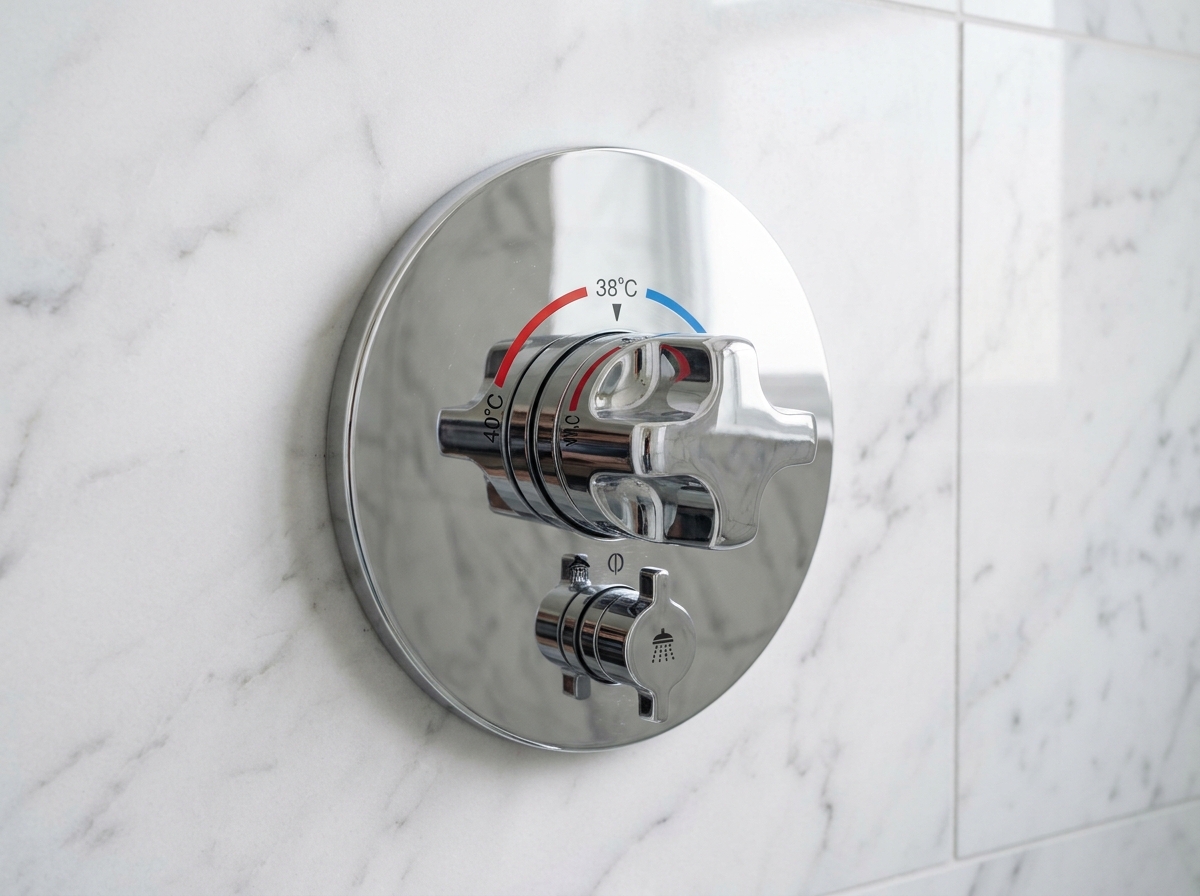
Warning Signs Your Shower Valve Requires Repair
- Dripping Showerhead When Shut Off: Water escaping past the main pressure-balance cartridge seal inside the wall.
- Sudden Scalding or Freezing Surges: Failed pressure-balancing spool unable to equalize incoming hot and cold municipal water fluctuations.
- Water Flowing From Tub Spout & Showerhead Simultaneously: Degraded tub spout diverter gate failing to redirect full flow upward.
- Handle Spins Freely Without Turning Water On: Stripped plastic or brass cartridge stem teeth inside the trim handle.
- Damp Drywall in Adjacent Rooms: Water weeping from the valve body bonnet nut and soaking wall insulation behind the shower enclosure.
Experiencing Scalding Surges or Constant Showerhead Drips?
A failing pressure-balancing shower cartridge is a serious scalding hazard for children and seniors. Call our 24/7 dispatch desk to schedule a certified in-wall valve inspection today.
Call Dispatch: 866-920-1482Replacing Shower Cartridges vs. Full Valve Replacement
In 90% of residential shower issues, extracting the seized cartridge and installing an authentic OEM replacement resolves the drip and restores temperature balancing in less than two hours. If the brass valve body itself is split or stripped, a plumber can perform a behind-the-wall valve replacement utilizing specialized remodeling plates to preserve your existing tilework. Read our guide on identifying and replacing valve cartridges for in-depth technical details.
Shower Valve Engineering & Anti-Scald Comparison
| Shower Valve Type | Primary Safety Mechanism | Common Failure Indicator | Plumbing Code Compliance |
|---|---|---|---|
| Pressure-Balancing Valve | Diaphragm or sliding spool equalizing hot/cold volume | Showerhead dripping; sudden scalding temperature surge | ASSE 1016 Anti-Scald Standard |
| Thermostatic Mixing Valve | Wax thermostatic element controlling exact temperature | Inability to reach hot water; restricted flow volume | ASSE 1017 High-Precision Standard |
| Two-Handle Compression | Individual rubber bibb washers on threaded stems | Continuous weeping; squealing noise inside the wall | Legacy Standard (Older Homes) |
| Tub Spout Diverter Gate | Mechanical lift-rod gate redirecting flow upward | Water streaming from tub spout while showering | Universal Plumbing Code (UPC) |
Frequently Asked Questions
Why does my shower drip continuously even after I turn the handle tightly?
The internal pressure-balancing cartridge has worn out, allowing high-pressure water to bypass the rubber seats and escape through the shower arm. Tightening the handle won't stop it and may strip the stem.
Can a plumber replace my shower valve without breaking my expensive bathroom tile?
Yes. If the valve body is intact, replacing the internal cartridge requires only removing the handle and faceplate. If full valve replacement is necessary, plumbers often access the plumbing from an adjacent closet or utilize an oversized remodel cover plate.
What causes a tub spout diverter to fail?
Mineral scale buildup and worn internal rubber gates inside the tub spout prevent the lift rod from sealing completely, causing water to escape from the tub spout while showering.